
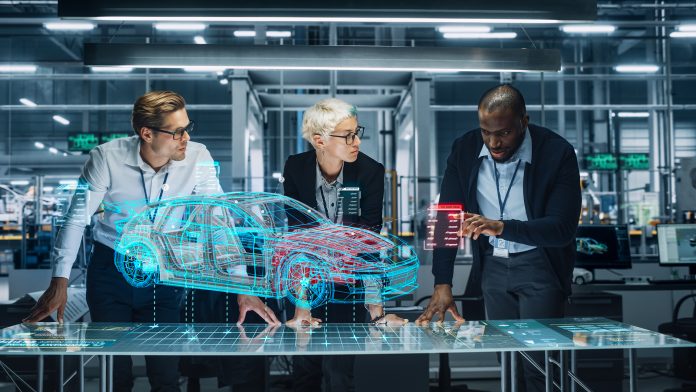
Automotive Engineering Is in a Skills War - Here's How Winning Companies Hire Right
Automotive Engineering Is in a Skills War — Here’s How Winning Companies Hire Right
The automotive industry is in the middle of the biggest transformation in its history. Traditional mechanical engineering is no longer enough. Modern vehicles are becoming intelligent, software-driven machines, which means the talent landscape has shifted completely.
Companies that continue relying on outdated hiring frameworks are already falling behind.
The Industry Shift: Why Automotive Talent Needs Have Changed
Over the last five years, the automotive ecosystem has rapidly evolved. Every global OEM and Tier-1 supplier is now building teams around the following critical areas:
1. Electric Vehicles (EV)
EV platforms require engineers who understand:
- Battery systems
- Power electronics
- Thermal management
- High-voltage safety
Mechanical-only profiles are no longer sufficient.
2. Software-Defined Vehicles (SDV)
Modern cars are becoming computers on wheels. This shift creates demand for:
- Embedded software engineers
- Real-time OS specialists
- Vehicle architecture experts
- Diagnostics and telematics engineers
SDV hiring requires a model focused on software rigor, not just automotive background.
3. Embedded Intelligence
Features like adaptive control, predictive algorithms, and in-vehicle decision-making require engineers skilled in:
- Control systems
- Embedded AI/ML
- Sensor integration
- Microcontroller programming
4. Over-the-Air (OTA) Updates
OTA capabilities demand expertise in:
- Cloud connectivity
- Firmware update pipelines
- Version management
- Cyber-safety protocols
5. Cybersecurity
Connected vehicles need protection from new threats. Companies require engineers skilled in:
- Automotive penetration testing
- Secure boot and secure communication
- V2X security
- Threat modelling and mitigation
The Problem: Legacy Hiring Frameworks Can’t Handle Modern Automotive Needs
Most companies still evaluate automotive engineers using outdated criteria:
- Years of experience in OEM/Tier-1
- Exposure to mechanical systems
- Brand-driven CV screening
- Generic interview checklists
These methods filter out the exact talent modern automotive companies need. Today’s hiring requires engineering depth in:
- System integration
- Software fundamentals
- Functional safety knowledge
- Rapid prototyping ability
What Winning Automotive Companies Do Differently
1. They Hire for Capability, Not History
A 5-year engineer with SDV + embedded experience is more valuable than a 12-year legacy profile.
2. They Test for Systems Thinking
Modern vehicles require talent that understands how mechanical, electrical, and software layers interact.
3. They Prioritize Functional Safety Knowledge
ASIL familiarity and safety concepts are essential across engineering roles.
4. They Evaluate Practical Execution Skills
Coding tests, architecture walkthroughs, and debugging exercises matter more than HR questions.
5. They Build Cross-Disciplinary Teams
Mechanical + electronics + embedded + AI — this is the new automotive structure.
How Propellence Helps Automotive Firms Win the Skills War
Propellence specializes in building high-performance engineering teams for EV, ADAS, SDV, and mobility companies. We identify:
- Embedded software specialists
- EV systems engineers
- Functional safety experts
- OTA and connectivity engineers
- Automotive cybersecurity talent
- Architecture and platform engineers
Our evaluation model goes beyond résumés — we assess real capability, system clarity, execution strength, and ownership mindset.
Conclusion
The companies that evolve their hiring approach will define the next decade of mobility innovation. Those who don’t will fall behind, regardless of brand strength or legacy.
To stay competitive, automotive hiring must shift from “traditional experience” to modern engineering capability.